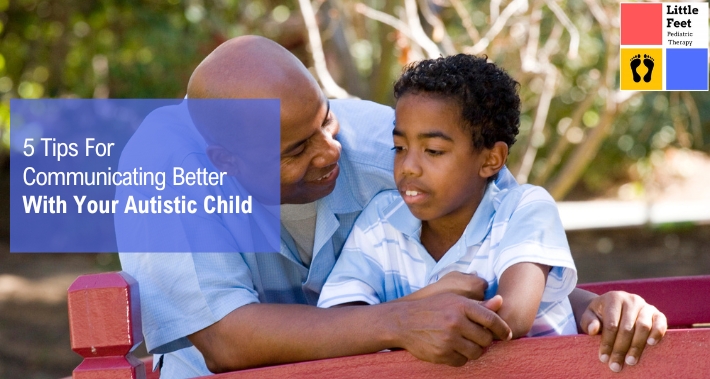
There are many stereotypes and myths about autism, and even if we don’t realize it, some of them may shape how we think about autistic children.
You might picture a child who struggles socially, avoids eye contact, or has difficulty forming friendships.
For parents, these assumptions can feel overwhelming or even frightening when their child receives an autism diagnosis.
But autism is not a limitation on your child’s potential.
It simply reflects a different way of experiencing and interacting with the world.
Autistic children have a wide range of strengths, challenges, personalities, and needs.
While some may benefit from extra support with communication, social interaction, or daily living skills, each child’s journey is unique.
In this article, we’ll take a closer look at autism spectrum disorder (ASD), common signs and communication differences, and how therapies such as speech therapy and occupational therapy can support autistic children in building skills, confidence, and meaningful connections — while honoring their neurodiversity.
What Is Autism Spectrum Disorder?
Autism spectrum disorder (ASD) is a developmental disorder.
It occurs because of differences in brain development.
The U.S. Centers for Disease Control and Prevention (CDC) estimates that approximately 1 in 31 children are autistic.
Autism can vary widely from person to person.
That’s why we recognize autism as a spectrum that includes a wide range of needs and challenges.
In other words, each autistic person will have varying strengths, weaknesses, and needs.
Some autistic children, for example, may have trouble developing their fine motor skills or gross motor skills, while others do not.
Some autistic children may be entirely nonverbal, while others experience little to no communication challenges at all.
Some autistic children may be quite social, while others may have a significant resistance to developing their social skills.
Just like allistic children (the opposite of autistic), every autistic child is unique.
RELATED ARTICLE: Frequently Asked Questions About Autism Spectrum Disorder
How To Tell If Your Child Is Autistic
Some of the common signs of autism spectrum disorder include:
- Repetition of physical behaviors, such as hand flapping or spinning
- Difficulty socializing with others
- Difficulty recognizing social cues
- Difficulty communicating their needs
- Sensory processing challenges, including unusual reactions to sights, sounds, and other senses
- Difficulty understanding the feelings of others
- Being avoidant of physical touch
- Intolerance to disruptions in daily routines
RELATED ARTICLE: Select How To Recognize The Signs Of Sensory Processing Disorder In Your Child
How Does Autism Affect Communication Skills?
Autism spectrum disorder primarily affects the way your child communicates with the world around them.
Therefore, many autistic kids experience challenges with the development of their language and communication skills.
According to the National Institute on Deafness and Other Communication Disorders, these challenges can encompass both verbal and nonverbal communication skills.
Subsequently, you might notice that your child faces challenges communicating their needs to the people around them.
This includes you and other caregivers, teachers, and other children.
RELATED ARTICLE: How Can School Be Challenging For Autistic Kids?
One key to communicating with autistic children is understanding how they perceive the world.
This can go a long way to helping facilitate better trust and communication.
Some of the ways autism can affect communication include:
- Difficulty processing multiple thoughts at once
- Having special interests and only wanting to talk about things they are interested in
- Difficulty understanding metaphors or sarcasm
- Not understanding nonverbal communication, such as a smile to indicate you’re happy
- Being easily irritated by ambient sounds that others don’t notice
How Can Speech Therapy Help Autistic Children?
Pediatric speech therapy can help autistic children improve their language and communication skills.
Each autistic child is unique, and our intervention strategies will reflect your child’s specific needs and strengths.
At your initial appointment, your child’s speech therapist will conduct an in-depth evaluation to assess various aspects of your child’s speech and communication skills.
This process will help us put together an individualized intervention plan that reflects your child’s unique challenges.
Our therapy programs focus on affirming your child’s neurodiversity to help them gain confidence in their abilities.
If you’re still waiting for your first appointment, or just need some extra support, you can also find many great communication tips on our blog.
How Can You Improve Communication With Your Autistic Child?
There is no one right or wrong way to communicate with autistic people.
As the saying goes, “When you’ve met one autistic person, you’ve met one autistic person”.
Essentially, this means everyone with autism spectrum disorder is unique, just like the rest of us.
There aren’t any “one size fits all” rules for communication with them.
Because of this, there is not one particular way to make communication with your autistic child better or easier.
There are, however, some things to keep in mind which can help make things smoother.
Let’s look at some tips:
1. Don’t Take Their Communication Style Personally
The difficulties autistic children have with communication is not a reflection on you as a parent or caregiver.
Instead, you can view them as evidence of their unique brain processes.
Autistic children often have difficulty controlling and expressing their emotions.
Additionally, they can often be blunt and to the point.
Blunt responses, trouble with emotions, and other differences in communication are not meant to make you feel bad.
Never take these things a personal attack.
2. Reward Good Behavior, But Don’t Punish Bad Behavior
Most people don’t respond well to punishment.
This is especially true for autistic children.
Use consistent positive reinforcement to reward good behavior.
Rather than punish poor or attention seeking behavior, do your best to ignore it when possible, or discuss it with your child.
3. Recognize and Respond To Their Needs
Autistic children often take longer than their peers to process information.
They may need you to slow down your conversation so they can follow along better.
Furthermore, you may need to alter your communication style.
This can mean using simple, straightforward language, with frequent pauses to ensure understanding.
It may also mean shutting off any devices that may be causing background noise, even if you don’t notice it yourself.
Fans, heating and air conditioning, air filters, and even ticking clocks can be distracting to autistic children.
4. Use Physical Activity To Help Communicate
Communication is more than just the words you use.
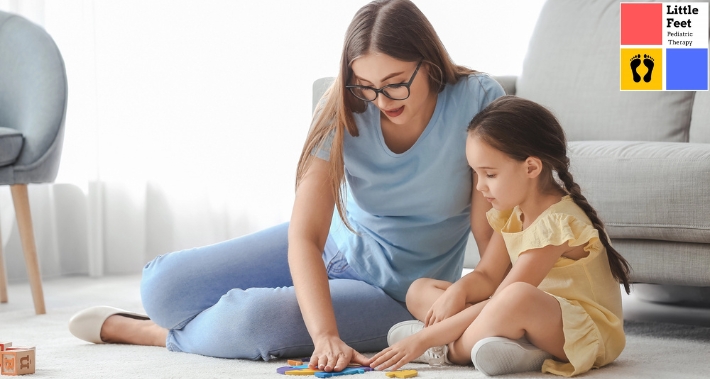
Gestures and other forms of physical communication can sometimes help with getting your point across.
Furthermore, autistic children often have limited attention spans.
Giving them the chance to burn off energy through active play can help put them in a better place to practice communication with you.
5. Above All, Be Patient
Autistic children often need more time to process information than their neurotypical counterparts.
They may require you to repeat information, or for you to fully state it in a different man to help them better process and understand the meaning of what you’re saying.
Remember this isn’t a reflection on you, as a parent.
Practicing patience will help you create a stronger relationship with your child.
How Can Occupational Therapy Help Autistic Kids?
Currently, autism doesn’t have a cure, and it’s unlikely it ever will.
This is because it’s a difference in neurological development.
And many autistic people would argue they don’t want or need a cure.
According to the Autistic Self Advocacy Network (ASAN), one of the largest autistic advocacy groups led by autistic people, any attempt to “cure” autism will do more harm than good.
It’s undeniable, however, that autism can make some elements of life more difficult.
So instead, ASAN recommends the focus be on therapies that can help autistic children to live better lives.
This includes things like pediatric physical therapy, speech therapy, and of course, occupational therapy.
In particular, social skills interventions can help address limitations for autistic children.
Let’s take a look at some of the different interventions your pediatric occupational therapist may suggest.
RELATED ARTICLE: Pediatric Occupational Therapy Milestones To Expect: Birth To Age 5
1. Social Stories
Social stories are brief stories that contain simple language that will help teach your autistic child about concepts, events, or behavior.
Your child’s occupational therapist may also use them to help increase tolerance to changes in routine.
2. Peer Mentoring
Peer mentoring occurs both in group and one on one settings.
Occupational therapists often use it alongside other types of therapies, such as speech therapy.
This type of therapy allows people to work on practicing their social skills in informal settings, and to observe how others communicate.
Mentors can model how to interact socially and help autistic children develop the confidence to participate in different situations.
The mentors also benefit, as they learn how to be more inclusive and empathetic towards autistic people.
3. Video Modeling
This method involves showing autistic children videos demonstrating social skills and then having them practice what they see.
Videos can be of the child themselves, their peers, or examples drawn from movies and television shows.
This can help individuals learn how to interact, use nonverbal communication, and work on other behaviors.
4. Social Skills Groups
These groups will have four or five children and can focus on topics such as:
- Nonverbal communication
- How to get to know people
- Understanding body language
- Handling emotions
- Understanding emotions
- The difference between bullying and humor
Book Your Appointment With Our Pediatric Clinic Today
Autism is not a limitation — it’s a different way of experiencing the world.
With the right support, your child can build meaningful communication skills, develop strong relationships, and thrive in their daily life.
At Little Feet Therapy, we provide neurodiversity-affirming care tailored to your child’s unique needs.
Whether through speech therapy, occupational therapy, or social skills interventions, our goal is to help your child feel understood, empowered, and supported.
Reach out today to book your appointment and take the next step toward helping your child grow with confidence.
► Washington, DC Clinic
► Charlotte, NC Clinic
► Raleigh, NC Clinic
► St. Louis, MO Clinic
Founded in 2019, Little Feet Therapy offers on site pediatric physical and occupational therapy treatments for children from 2 months to 18 years old with physical and developmental concerns. Our clinics focus on providing therapy in a child’s natural setting where your child is in familiar surroundings, it puts their mind at ease and helps them focus more on the work they’re doing with their pediatric therapist. Our therapists will work with your child at your home, at school, at daycare, or another place in the community where they feel most comfortable.