If you’re planning to have a baby, like many first time parents you’re probably in research mode.
There’s so much to discover when it comes to giving your baby the strongest start to their life.
Here at Little Feet Therapy, we offer occupational and physical therapy for kids with a wide variety of special needs.
This includes cerebral palsy pediatric rehabilitation therapy.
If your child has cerebral palsy, we’re here to help.
But if you’re wondering how to reduce the risk of cerebral palsy, we can help there too.
In this article, we take a look at some of the risk factors for developing cerebral palsy, and what you can do about them.
RECAP: What Is Cerebral Palsy?
We’ve talked about cerebral palsy a number of times already on our blog.
In particular, we’ve talked about:
- The various myths around cerebral palsy
- What causes cerebral palsy?
- The importance of early diagnosis for cerebral palsy
- How physical therapy can help kids with cerebral palsy
For more details on each of those, take a look at the articles above.
This section will be more of a brief recap than a full outline of cerebral palsy.
What we call cerebral palsy (CP) is actually a group of different disorders.
These include:
- Spastic cerebral palsy
- Ataxic cerebral palsy
- Dyskinetic cerebral palsy (sometimes called athetoid)
- Hypotonic cerebral palsy
- Mixed cerebral palsy
Spastic cerebral palsy is by far the most common one – more than 75% of kids with CP have spastic CP.
In all cases, however, cerebral palsy affects how a child moves and controls their muscles.
It happens when their brain has trouble sending messages to their muscles.
This can cause things like:
- Difficulty with balance and coordination
- Muscles that are either too loose (hypotonia) or too stiff (hypertonia)
- Movements that favor one side of the body
- Difficulty with learning how to walk
- Toe walking, or other unusual walking patterns
- Delays in gross motor skills development
- Delays in fine motor skills development
- Delays in speech and language development
There is currently no known “cure” for cerebral palsy.
As a result, treatment focuses on supporting kids in building their motor skills to better navigate the world.
This is where pediatric rehabilitation therapy comes in.
Pediatric physical therapy helps with larger body movements, which includes learning how to crawl, walk, and more.
They do this by working on balance, strength, endurance, range of motion, coordination, and motor planning.
Pediatric occupational therapy, on the other hand, focuses on smaller movements, mostly related to the hands.
This can include things like building their handwriting skills, self care skills, and computer skills.
What Increases The Risk Of Cerebral Palsy?
While we don’t always know why CP happens, there are some factors that can increase the risk of a child developing it.
Below, we’ll take a look at some of the most common risk factors we know of.
It’s important to remember, though, that kids can be born with cerebral palsy without having any of these risk factors present.
As well, the presence of these risk factors is not a guarantee your child will have cerebral palsy.
These are statistics.
Kids with cerebral palsy are more likely to have one of the following risk factors present.
1. Being Born Preterm
Babies born early (before 37 weeks of pregnancy) are at a higher risk of cerebral palsy.
Preterm babies’ brains are not fully developed, which makes it harder for them to control their muscles.
The earlier a baby is born, the higher the chance of developing CP.
There are a number of other pediatric developmental challenges more common in preterm babies as well.
These may include:
- ADHD and other attention disorders
- Autism spectrum disorder
- Jaundice (itself a risk factor for cerebral palsy)
2. Certain Infections In The Womb
There are certain infections you can get during pregnancy that can affect your baby’s brain development.
This is because they increase certain proteins, called cytokines, in your bloodstream.
These infections can include:
- Rubella, a viral infection
- Chickenpox, caused by a virus called varicella-zoster
- Cytomegalovirus, a viral infection that isn’t generally a problem unless you’re pregnant or immunocompromised
- Toxoplasmosis, caused by the virus toxoplasma gondii
- Certain bacterial infections
If you feel ill during pregnancy, it’s important to see your doctor as soon as possible.
3. Jaundice And Blood Type Differences
Jaundice is a condition that causes a baby’s skin to turn yellow.
If jaundice is not treated, it can lead to brain damage and increase the risk of CP.
One of the causes of jaundice is having an incompatible blood type with your baby.
There are eight different common blood types, as well as some rare ones.
Some blood types are incompatible with others.
This is important to know when receiving a blood transfusion, or donating blood.
If your baby has a blood type that’s incompatible with yours, it can cause some health issues.
This includes jaundice, as well as anemia, heart problems, and others.
Doctors often check for jaundice and treat it to lower the risk of complications as a result.
4. Complications During Birth
Certain problems during delivery can increase the risk of cerebral palsy.
These complications can include a lack of oxygen to your baby’s brain, a difficult or long labor, problems with the umbilical cord, or (rarely) medical malpractice.
Doctors and nurses work hard to prevent and treat complications during birth to keep both you and your baby safe.
5. Multiple Births
Having twins, triplets, or more babies in one pregnancy is another risk factor for cerebral palsy.
Multiple births often come early and may have more complications.
Doctors monitor these pregnancies closely to make sure the babies are as healthy as possible.
6. Exposure To Certain Toxins
A 2023 study by Weyde Et Al. looked at the presence of certain toxins in the bloodstream during pregnancy, and its association with cerebral palsy.
It found elevated levels of copper and manganese were correlated with higher risk of cerebral palsy.
Interestingly, it found that higher levels of mercury were associated with lower risk.
But that doesn’t mean high mercury levels are good for kids.
Quite the opposite – mercury poisoning can cause a number of health issues.
The Weyde study suggested that higher mercury might be associated with higher intake of fish.
Fish have nutrients that are important for brain development, like omega-3s, iron, zinc, and others.
More research is needed to better understand this, however.
Other toxins that may increase risk of cerebral palsy include:
- Lead
- Cigarette smoke
- Alcohol
- Misuse of other drugs
If you’re pregnant, it’s a good idea to avoid the above listed toxins as much as possible.
7. Certain Infertility Treatments
Some infertility treatments, such as in vitro fertilization (IVF), have been linked to a slightly higher risk of cerebral palsy.
However, the overall risk is still low.
If you’re considering infertility treatments, it’s a good idea to talk to your doctor about the risks.
Can You Decrease Your Child’s Risk Of Cerebral Palsy?
While some risk factors can’t be controlled, there are steps you can take to help lower the chances of cerebral palsy.
These include getting early prenatal care, avoiding infections, and following your doctor’s advice to stay healthy during pregnancy.
A healthy lifestyle and regular check-ups can help give your baby the best start in life.
What To Do If Your Child Has Cerebral Palsy
If your child is diagnosed with cerebral palsy, it’s important to get the right support.
A pediatric therapist can help your child improve their motor skills and reach their full potential.
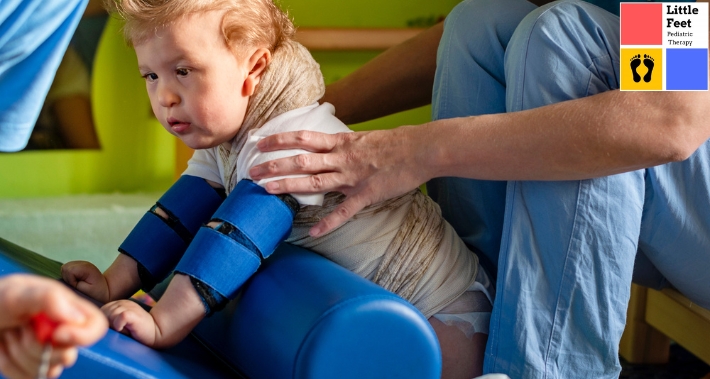
Your child’s therapist will start with a pediatric physical therapy evaluation.
They’ll pay special attention to the specific type of cerebral palsy your child has, and how it affects them.
From there, they’ll put together a treatment plan to address your child’s unique needs.
Therapy may include exercises, stretches, and special techniques to improve movement and coordination.
The goal is to give your child the skills they need to navigate the world around them.
With the right supports, your child can still lead a happy, healthy life.
Book Your Appointment With Our Pediatric Therapy Clinic Today
If your child has cerebral palsy, it’s natural to feel overwhelmed—but you don’t have to navigate this journey alone.
Understanding the risk factors for cerebral palsy is an important step in giving your child the healthiest possible start.
While some causes may be out of your control, early intervention and expert guidance can make a meaningful difference.
If you’re concerned about your child’s development—our team of pediatric therapists is here to help.
At Little Feet Therapy, we specialize in supporting children with cerebral palsy, helping them build strength, mobility, and confidence.
Book your appointment with Little Feet Therapy today and take the first step toward empowering your child’s progress.
► Washington, DC Clinic
► Charlotte, NC Clinic
► Raleigh, NC Clinic
► St. Louis, MO Clinic
Founded in 2019, Little Feet Therapy offers on site pediatric physical and occupational therapy treatments for children from 2 months to 18 years old with physical and developmental concerns. Our clinics focus on providing therapy in a child’s natural setting where your child is in familiar surroundings, it puts their mind at ease and helps them focus more on the work they’re doing with their pediatric therapist. Our therapists will work with your child at your home, at school, at daycare, or another place in the community where they feel most comfortable.